Seven hundred individuals and thousands of eggs exist at the melbourne zoo, and ball's pyramid has been preserved as part of the lord howe permanent park.
Lord Howe Island Stick Insect Eggs. Unusual among insects, the lord howe island stick insects seem to pair off, sleeping close together as the male with three of his legs protectively over the female beside him, as one scientist described. That chartreuse green insect is unfurling from its little egg to add to a slowly swelling captive population of lord howe. This wonderful photograph, which was one of the ten highly commended entrants in the 2012 new scientist eureka prize for science photography, captures an extremely special event. A daring australian museum expedition to balls pyramid near lord howe island has succeeded in its search for the rare and elusive lord howe island stick insect. It was thought to be extinct by 1920, only to be rediscovered in 2001. Dryococelus australis, commonly known as the lord howe island stick insect or tree lobster, is a species of stick insect that lives on the lord howe island group. Until a handfull of these amazing stick insects were found clinging to a small bush on balls pyramid. Lord howe island stick insects were once numerous on the tiny island off the coast of australia after which they are named. Seven hundred individuals and thousands of eggs exist at the melbourne zoo, and ball's pyramid has been preserved as part of the lord howe permanent park. Dryococelus australis, commonly known as the lord howe island stick insect or tree lobster, is a species of stick insect that lives on the lord howe island group. The eggs should hatch after six months of incubation, becoming the third generation of lord howe island stick insects at bristol zoo. Learn about this insect and efforts to bring it back from extinction. They were thought to be extinct for over 80 years. Nymphs that emerge from the egg are about three times the size of the egg itself. Lord howe island stick insects are often called lobsters due to their size.
Lord Howe Island Stick Insect Eggs , How, Lord Howe? - Zoonooz In 2020 | Stick Insect, Insects ...
Rare Australian stick insect eggs flown to UK in bid to .... Lord howe island stick insects are often called lobsters due to their size. Dryococelus australis, commonly known as the lord howe island stick insect or tree lobster, is a species of stick insect that lives on the lord howe island group. Dryococelus australis, commonly known as the lord howe island stick insect or tree lobster, is a species of stick insect that lives on the lord howe island group. They were thought to be extinct for over 80 years. Unusual among insects, the lord howe island stick insects seem to pair off, sleeping close together as the male with three of his legs protectively over the female beside him, as one scientist described. It was thought to be extinct by 1920, only to be rediscovered in 2001. The eggs should hatch after six months of incubation, becoming the third generation of lord howe island stick insects at bristol zoo. This wonderful photograph, which was one of the ten highly commended entrants in the 2012 new scientist eureka prize for science photography, captures an extremely special event. Learn about this insect and efforts to bring it back from extinction. Lord howe island stick insects were once numerous on the tiny island off the coast of australia after which they are named. Seven hundred individuals and thousands of eggs exist at the melbourne zoo, and ball's pyramid has been preserved as part of the lord howe permanent park. Until a handfull of these amazing stick insects were found clinging to a small bush on balls pyramid. That chartreuse green insect is unfurling from its little egg to add to a slowly swelling captive population of lord howe. A daring australian museum expedition to balls pyramid near lord howe island has succeeded in its search for the rare and elusive lord howe island stick insect. Nymphs that emerge from the egg are about three times the size of the egg itself.
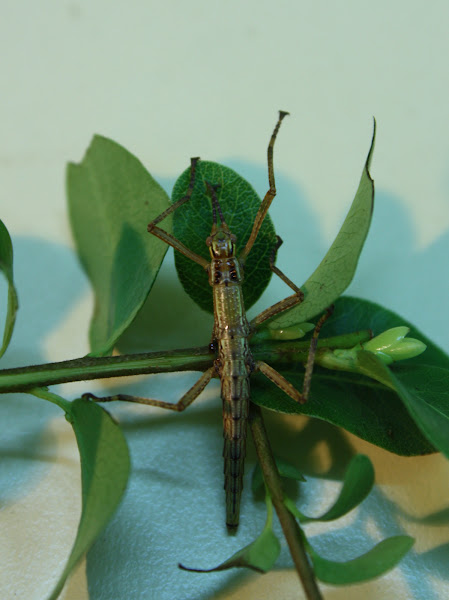
Lord Howe Island phasmid | Project Noah from lh3.ggpht.com
Nymphs that emerge from the egg are about three times the size of the egg itself. The researchers also compared the lord howe island museum specimens with one another, and found that the diversion there was about half a percent. The eggs incubate for over 6 months and until now the hatching process has never been witnessed. They were thought to be extinct for over 80 years. Mass rodent poisoning on this remote australian island could bring back giant stick insect. Lord howe island stick insects were once numerous on the tiny island off the coast of australia after which they are named. Landmark lord howe island project alarms some residents but will likely save local fauna.
Smaller islands around lord howe island have been extensively searched for.
More than 82 lord howe island stick insect at pleasant prices up to 37 usd fast and free worldwide shipping! It lives although darker than those found on lord howe island, these stick insects, from nearby ball's pyramid, are the same species. Unlike most stories involving extinction, this one gives us a unique second chance. the two insects look different morphologically, which raised questions about whether they were the. If you didn't see it you wouldn't believe it could fit in that egg! The lord howe island land lobster is a flightless stick insect. The lord howe island stick insect, considered extinct for years, still walks—or crawls—the earth. A dryococelus australis, or lord howe island stick insect — one of the rarest insects in the world. The eggs incubate for over 6 months and until now the hatching process has never been witnessed. It was thought extinct until scientists found a tiny population on a remote ocean outcrop. Learn about this insect and efforts to bring it back from extinction. They were thought to be extinct for over 80 years. Mass rodent poisoning on this remote australian island could bring back giant stick insect. Landmark lord howe island project alarms some residents but will likely save local fauna. Dryococelus australis, commonly known as the lord howe island stick insect or tree lobster, is a species of stick insect that lives on the lord howe island group. On lord howe, there used to be an insect, famous for being big. This wonderful photograph, which was one of the ten highly commended entrants in the 2012 new scientist eureka prize for science photography, captures an extremely special event. A daring australian museum expedition to balls pyramid near lord howe island has succeeded in its search for the rare and elusive lord howe island stick insect. Related thorny stick insect (eurycantha calcarata) cover the base of the. Once thought to be extinct, the lord howe island stick insect, or tree lobster,…» It is, in fact, the lord howe island stick insect camping out on an inhospitable pyramid. Enclosure with peat moss in which the insects lay eggs, but this method has. The lord howe island phasmid is the world's rarest insect and the entire population was limited to one bush on a remote sea stack. Until a handfull of these amazing stick insects were found clinging to a small bush on balls pyramid. During the 19th century, this large insect prowled lord howe island in such numbers that fishermen would use them as bait. Seven hundred individuals and thousands of eggs exist at the melbourne zoo, and ball's pyramid has been preserved as part of the lord howe permanent park. All products from lord howe island stick insect category are shipped worldwide with no additional fees. Most stick insect eggs take around six to nine months to hatch, possibly a little earlier if kept in warm room. Lord howe island stick insects from lord howe island (left) and ball's pyramid (right) have some pronounced visual differences. Dryococelus australis, commonly known as the lord howe island stick insect or tree lobster, is a species of stick insect that lives on the lord howe island group. Unusual among insects, the lord howe island stick insects seem to pair off, sleeping close together as the male with three of his legs protectively over the female beside him, as one scientist described. Smaller islands around lord howe island have been extensively searched for.
Lord Howe Island Stick Insect Eggs : 3,972 Отметок «Нравится», 128 Комментариев — San Diego Zoo (@Sandiegozoo) В Instagram:
Lord Howe Island Stick Insect Eggs . Mark Bushell, Curator Of Invertebrates At Bristol Zoo ...
Lord Howe Island Stick Insect Eggs - Lord Howe Island Stick Insect Hatching
Lord Howe Island Stick Insect Eggs . Once Thought To Be Extinct, The Lord Howe Island Stick Insect, Or Tree Lobster,…»
Lord Howe Island Stick Insect Eggs . They Were Thought To Be Extinct For Over 80 Years.
Lord Howe Island Stick Insect Eggs : The Lord Howe Island Land Lobster Is A Flightless Stick Insect.
Lord Howe Island Stick Insect Eggs , Landmark Lord Howe Island Project Alarms Some Residents But Will Likely Save Local Fauna.
Lord Howe Island Stick Insect Eggs , Mass Rodent Poisoning On This Remote Australian Island Could Bring Back Giant Stick Insect.
Lord Howe Island Stick Insect Eggs - Seven Hundred Individuals And Thousands Of Eggs Exist At The Melbourne Zoo, And Ball's Pyramid Has Been Preserved As Part Of The Lord Howe Permanent Park.
Lord Howe Island Stick Insect Eggs - Sticky And Bright Spots Will Screen At The Australian Museum In Sydney This January Along With A Q&A From Museum Scientists Who Are About To Head Over To Lord Howe Island.